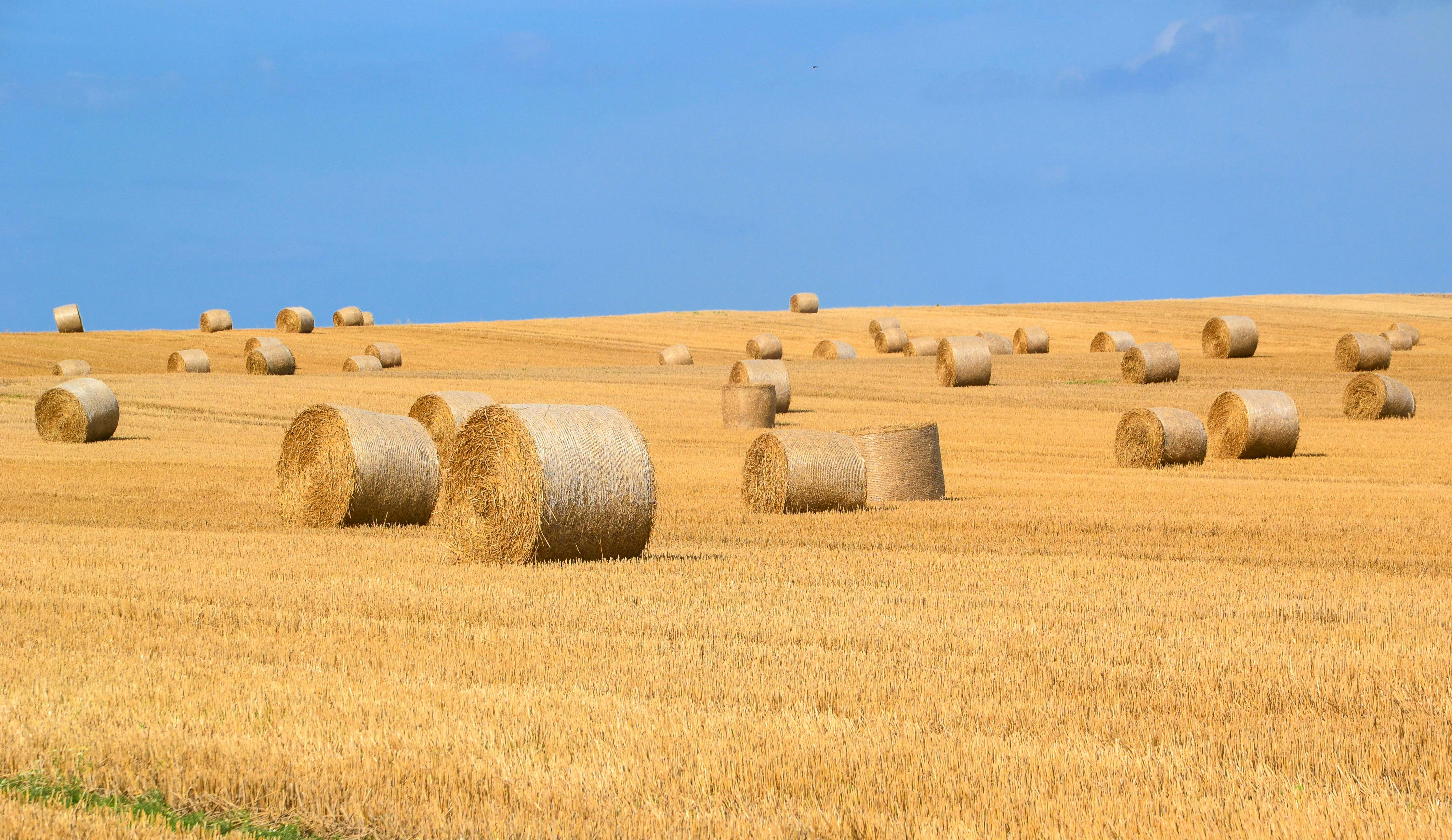
Hay Testing & Forage Analysis for Corinth Cattle Operations
Corinth-area cattle producers spend $50–$75 per ton on purchased hay or invest land and labor producing their own, yet most never test forage quality. Feeding unknown hay means guessing at supplement needs—potentially wasting hundreds of dollars on unnecessary protein or failing to meet requirements, costing pounds of gain and reproductive performance. Tri‑State Livestock LLC. provides fast, affordable hay testing throughout Alcorn County, giving you precise nutritional data to balance rations and eliminate guesswork.
Why Test Your Hay?
Visual inspection can't detect protein, energy, or mineral content. Two bales cut from the same field on different days can vary 3–4 percentage points in protein depending on maturity, curing conditions, and rainfall timing. Without analysis, you're either over-supplementing (wasting money on protein the hay already provides) or under-supplementing (limiting gains, milk production, or conception rates). Hay testing clarifies exactly what your cattle are eating so you can supplement precisely.
What Hay Testing Reveals
- Crude protein (CP): Determines if supplemental protein is needed for growing cattle, lactating cows, or dry pregnant females
- Total digestible nutrients (TDN/energy): Indicates if additional energy (grain) is required to meet performance goals
- Acid detergent fiber (ADF) and neutral detergent fiber (NDF): Predict intake potential and digestibility
- Mineral content: Calcium, phosphorus, magnesium, potassium—essential for balancing free-choice minerals
- Relative feed value (RFV): Single number summarizing overall quality for comparisons
Common Hay Quality Scenarios in Corinth
Northeast Mississippi hay varies dramatically by species, cutting timing, and weather. Understanding local patterns helps you anticipate likely quality ranges:
Bermudagrass Hay
First-cutting bermudagrass harvested in late May typically tests 10–14% protein with moderate energy—suitable for dry pregnant cows without supplementation. Second and third cuttings harvested at 28–30 day intervals test higher in protein (12–16%) and energy, often adequate for lactation or growing calves. However, delayed cutting (40+ days) or rain-damaged hay can drop below 8% protein, necessitating significant protein supplementation.
Mixed Grass Hay
Many Alcorn County farms bale mixed grass stands containing fescue, orchardgrass, and volunteer annuals. Quality varies wildly based on maturity—boot-stage grass tests well (12–15% protein), but hay cut in full head drops to 6–8% protein with poor digestibility. Testing prevents the assumption that "good-looking" hay automatically meets nutritional needs.
Legume Hay
Clover or alfalfa-grass mixes can test 15–20% protein with excellent energy—premium feed for growing heifers or high-producing cows. However, late cutting, moisture damage, or heavy rain between cutting and baling can reduce protein significantly. Testing confirms whether premium price premiums are justified by actual nutrient content.
Our Hay Testing Process
Accurate hay analysis starts with proper sampling. We use calibrated core samplers to collect representative samples from multiple bales within a cutting group, creating a composite that reflects actual feeding material. Samples are submitted to accredited forage laboratories providing standardized NIR (near-infrared) analysis with fast turnaround.
Sampling Protocol
- Identify homogeneous groups: Separate samples by field, cutting, or purchase lot—don't mix first and third cuttings
- Core multiple bales: Sample 10–15 bales per group for representative results
- Composite and mix: Combine cores thoroughly before packaging
- Submit promptly: Moist samples can mold; dry hay stores indefinitely but submit within days for timely results
Interpreting Results for Corinth Cattle
Raw forage analysis means little without context. We translate test results into practical feeding recommendations based on your cattle class and performance goals. Different animal classes have different requirements:
Dry Pregnant Cows (Mid-Gestation)
Target 7–8% protein and 52–55% TDN. Most properly cured bermudagrass or grass hay meets these needs without supplementation. If hay tests below 7% protein, supplement 1–2 lbs of 20% protein cubes daily.
Lactating Cows (Peak Milk Production)
Requires 10–12% protein and 58–60% TDN. High-quality second-cutting bermudagrass or mixed grass-legume hay meets these levels; lower-quality hay needs 3–5 lbs grain plus protein supplementation. Poor hay quality during early lactation reduces calf weaning weights and rebreeding rates.
Growing Heifers and Steers
Target 12–14% protein and 60–65% TDN for economical 1.5–2 lb daily gains. Premium hay allows grain-free development; average hay requires grain supplementation to hit growth targets. Testing prevents both under-feeding (slow development) and over-feeding (wasted cost).
Cost-Benefit of Hay Testing
A $30 hay test can save hundreds or thousands in misdirected supplement costs. Consider this Corinth-area example: A producer feeds 50 cows assumed "low-quality" hay and supplements 3 lbs protein cubes daily ($0.30/lb = $0.90/head/day). Over a 120-day winter, that's $5,400 in supplements. If hay testing reveals adequate protein, eliminating unnecessary cubes saves $5,370—a 17,900% return on a $30 test.
Hay Purchasing Decisions
Test before committing to large hay purchases. Corinth-area hay prices vary $40–$80 per ton depending on perceived quality, but visual appearance doesn't guarantee nutritional value. Rain-damaged "ugly" hay might still meet dry cow needs, while pretty green hay cut over-mature delivers poor performance. Testing enables informed price negotiations and prevents paying premium prices for average feed.
Corinth Hay Testing Pricing
Standard forage analysis (protein, TDN, ADF, NDF, minerals) costs $25–$35 per sample including sampling, laboratory fees, and interpretation. Turnaround is typically 3–5 business days. We provide:
- Professional core sampling from your hay inventory
- Laboratory analysis (NIR method, accredited labs)
- Detailed results report with nutritional breakdown
- Feeding recommendations and supplement guidance
- Comparison to regional forage quality benchmarks
Seasonal Sampling Timing
Test hay shortly after harvest to guide immediate feeding decisions and identify needs before winter supplementation begins. For purchased hay, test representative samples before committing to large loads. Many Corinth producers test in late summer (evaluating first and second cuttings) and again in early winter (assessing purchased hay or late-season cuttings).
Integration with Nutritional Management
Hay testing is one component of comprehensive cattle nutrition. Combine forage analysis with:
- Pasture consulting to improve forage quality from the field
- Soil testing to address fertility limitations reducing hay quality
- Pregnancy checking to assess if nutrition supports reproductive performance
Frequently Asked Questions
How many bales should I sample?
Sample 10–15 bales from homogeneous groups (same field, cutting, and curing conditions). Sampling only 1–2 bales risks unrepresentative results.
Can I sample round bales?
Yes. Core samplers work on both square and round bales. Ideally sample through bale sides (not ends) to capture representative material.
What if different parts of my hay inventory test differently?
Common. Feed high-quality hay to lactating cows and growing stock; reserve lower-quality hay for dry pregnant cows with lower nutritional demands. Segregated feeding maximizes value from variable inventory.
How long are test results valid?
Properly stored hay (dry, covered, no mold) maintains quality indefinitely. Test results remain accurate for that specific hay lot. However, if storage conditions allow moisture infiltration or heating, quality can decline—retest if hay appears compromised.
Service Area
We serve Corinth, Alcorn County, and surrounding Northeast Mississippi regions including Tippah, Tishomingo, Prentiss, and Union counties. Extended coverage into portions of Tennessee and Alabama—contact for service confirmation.
Start Making Data-Driven Feeding Decisions
Stop guessing about hay quality and start feeding with precision. Contact Tri‑State Livestock LLC. to schedule hay sampling for your Corinth operation. We'll collect representative samples, provide detailed analysis, and recommend specific supplement strategies to optimize performance and control costs.
Request Hay Testing Service